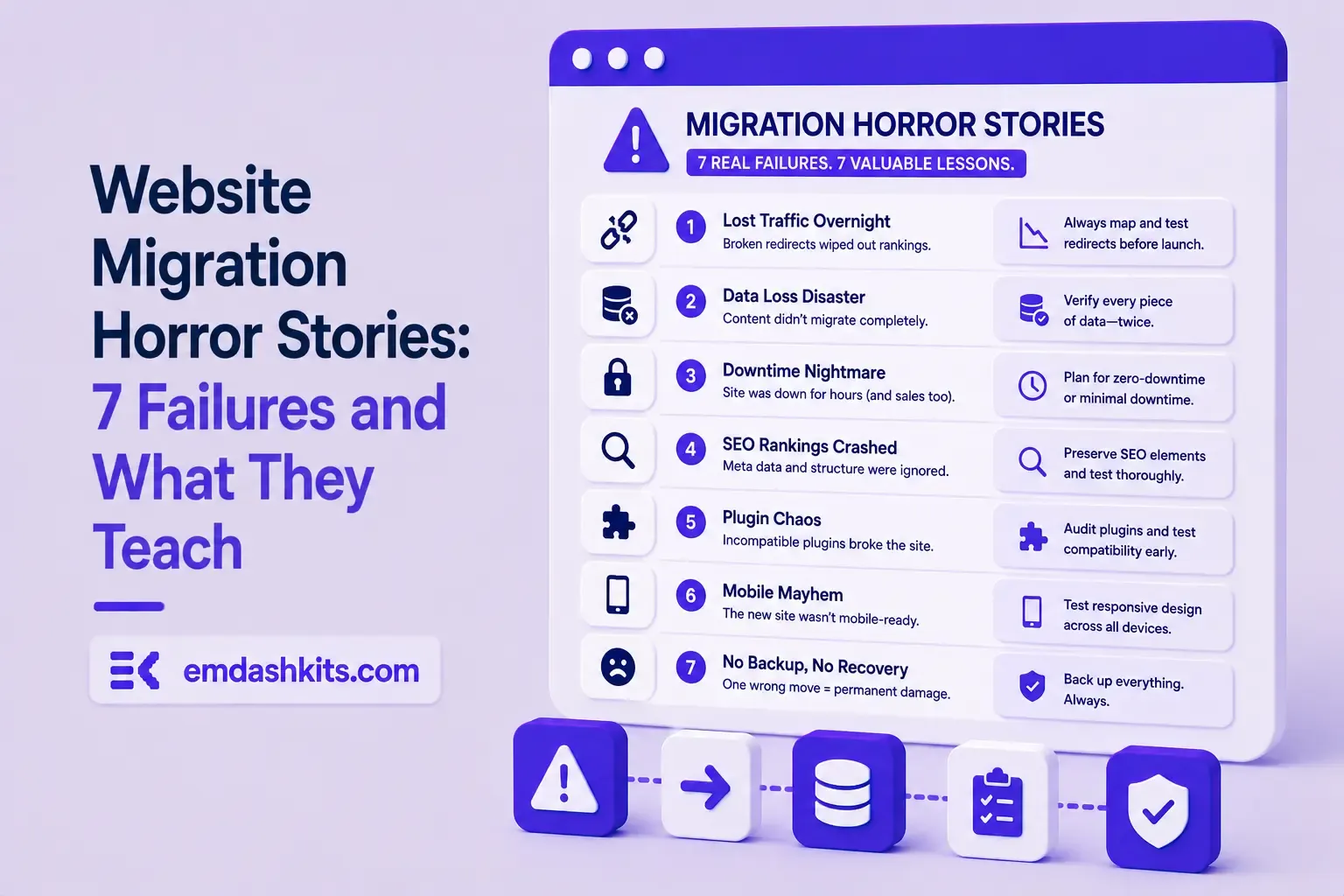
Website Migration Horror Stories: 7 Failures and What They Teach
Only 1 in 10 website migrations improve SEO rankings — most lose ground. These are documented failures, and the specific mistakes behind each one.
On the Acme blog, WordPress Migration is a topic we cover in depth, with practical guides and real-world tips. Explore all 16 posts below to keep learning.
Only 1 in 10 website migrations improve SEO rankings — most lose ground. These are documented failures, and the specific mistakes behind each one.
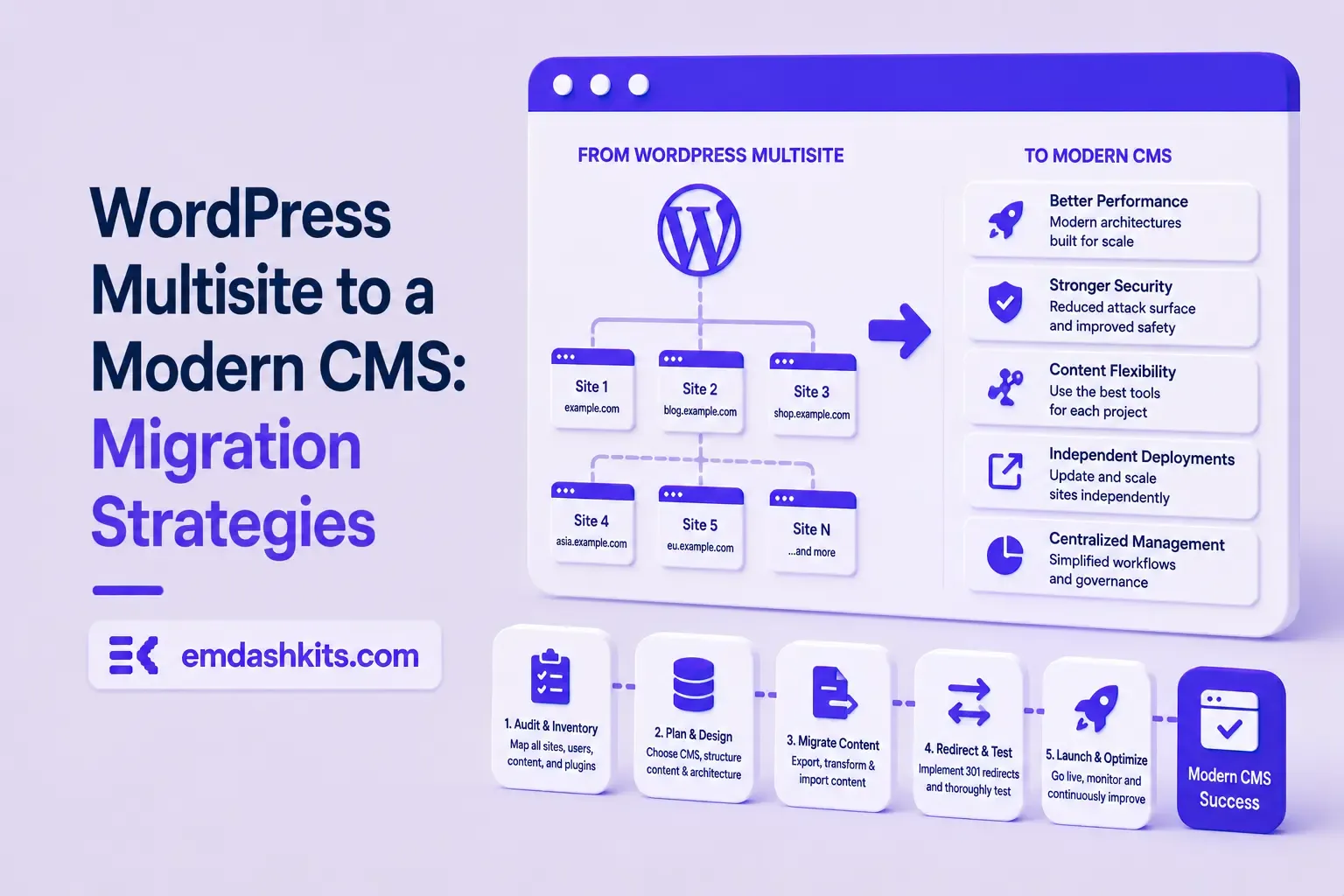
Multisite migrations aren't one migration — they're several, sharing a database. Here's how to plan a move without breaking every site on the network at once.
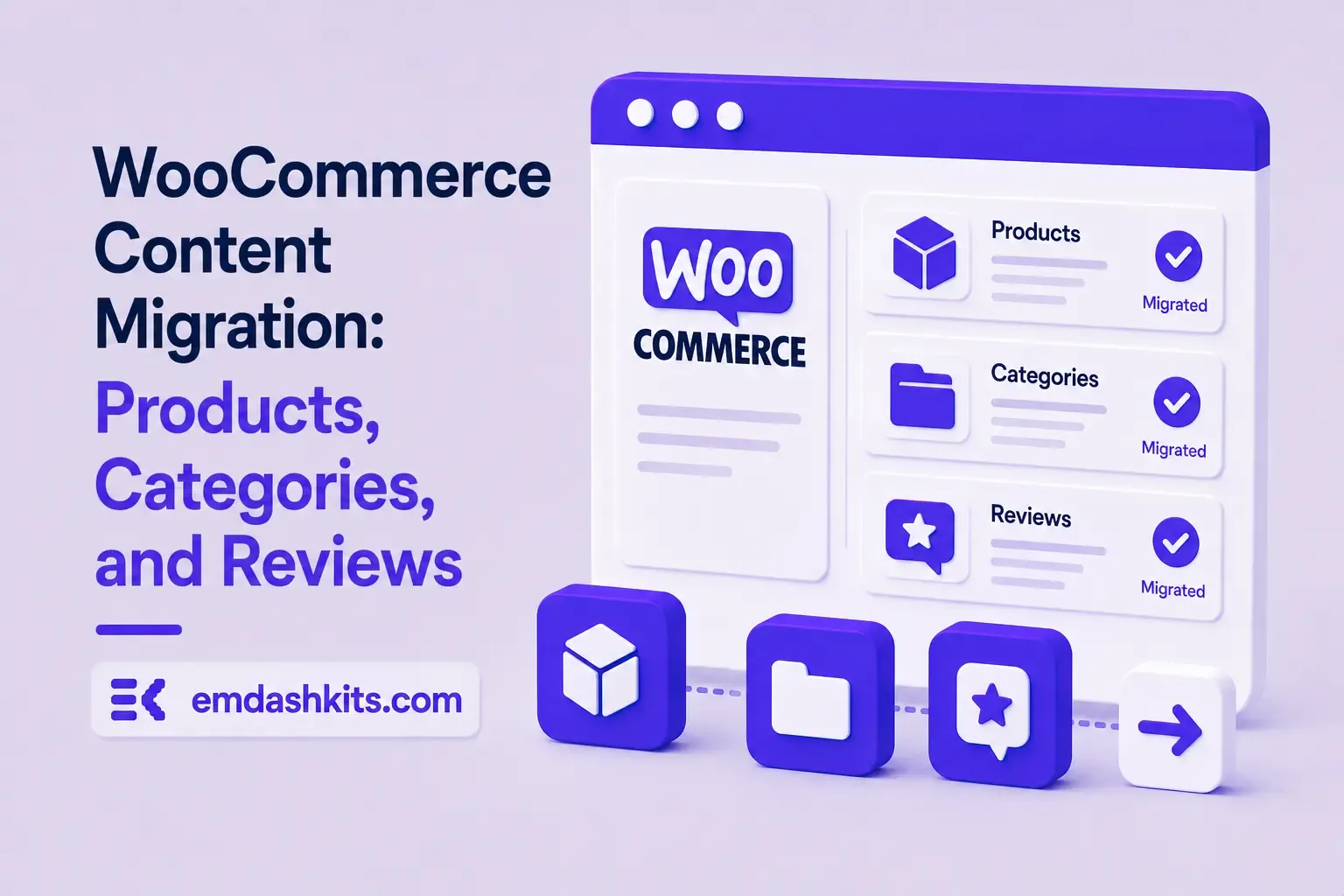
WooCommerce stores products across half a dozen interlinked database tables. Here's what actually needs to move, and where migrations usually break.
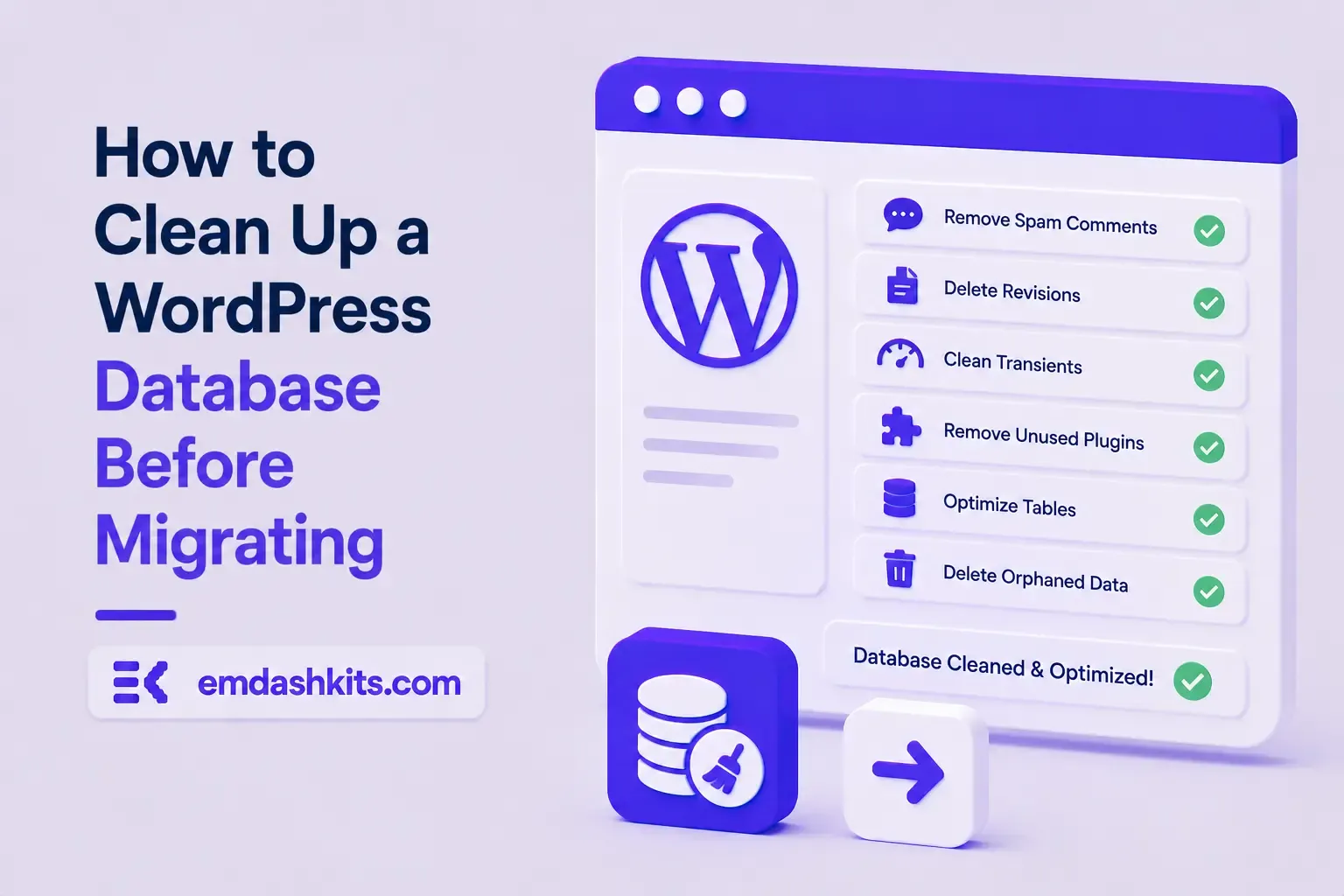
A bloated WordPress database makes exports slower, backups bigger, and migrations more likely to time out. Here's what to purge before you move anything.
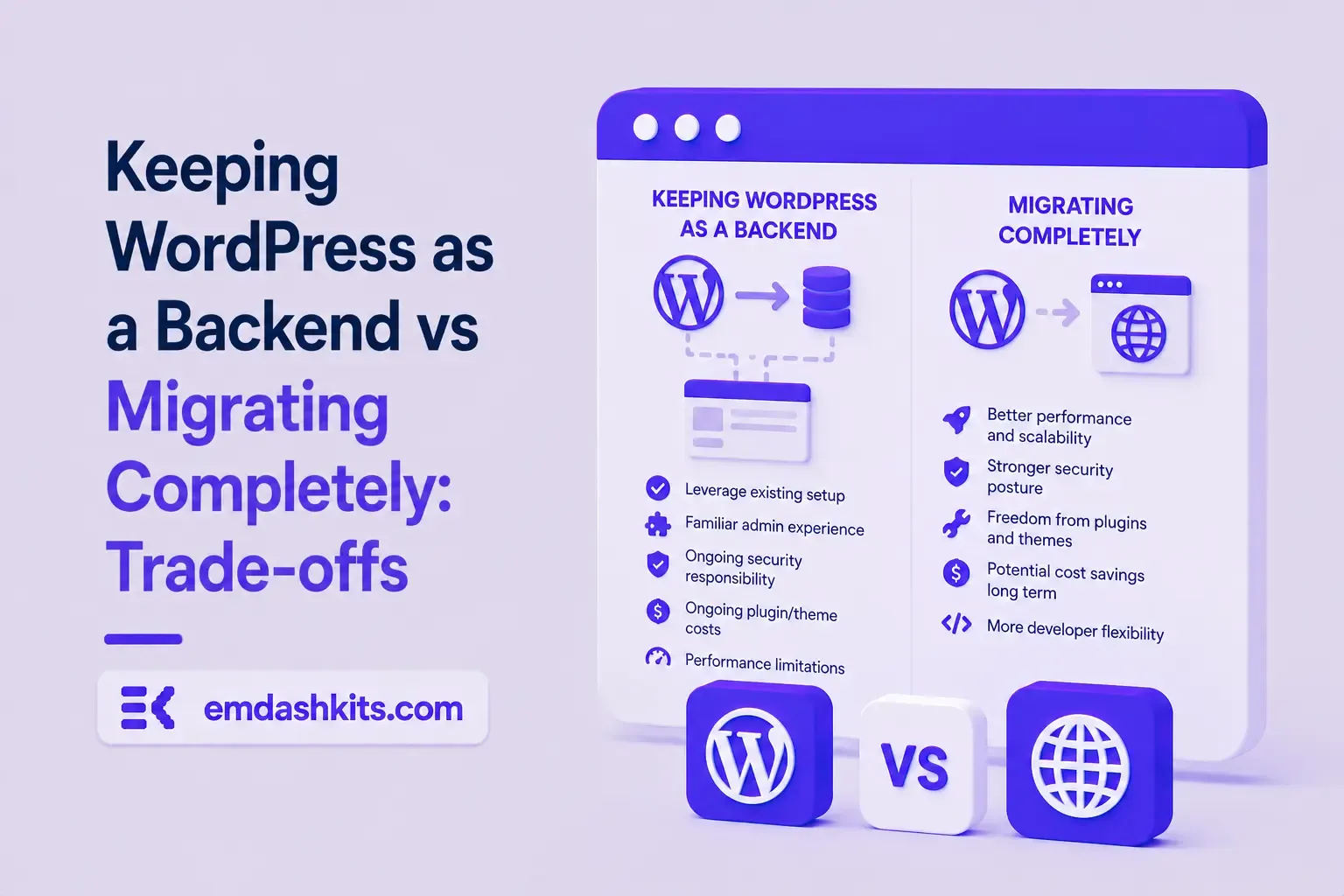
Decoupling WordPress with the REST API keeps your editors happy but doesn't fix the security or performance problems a real migration solves. Here's how to decide.
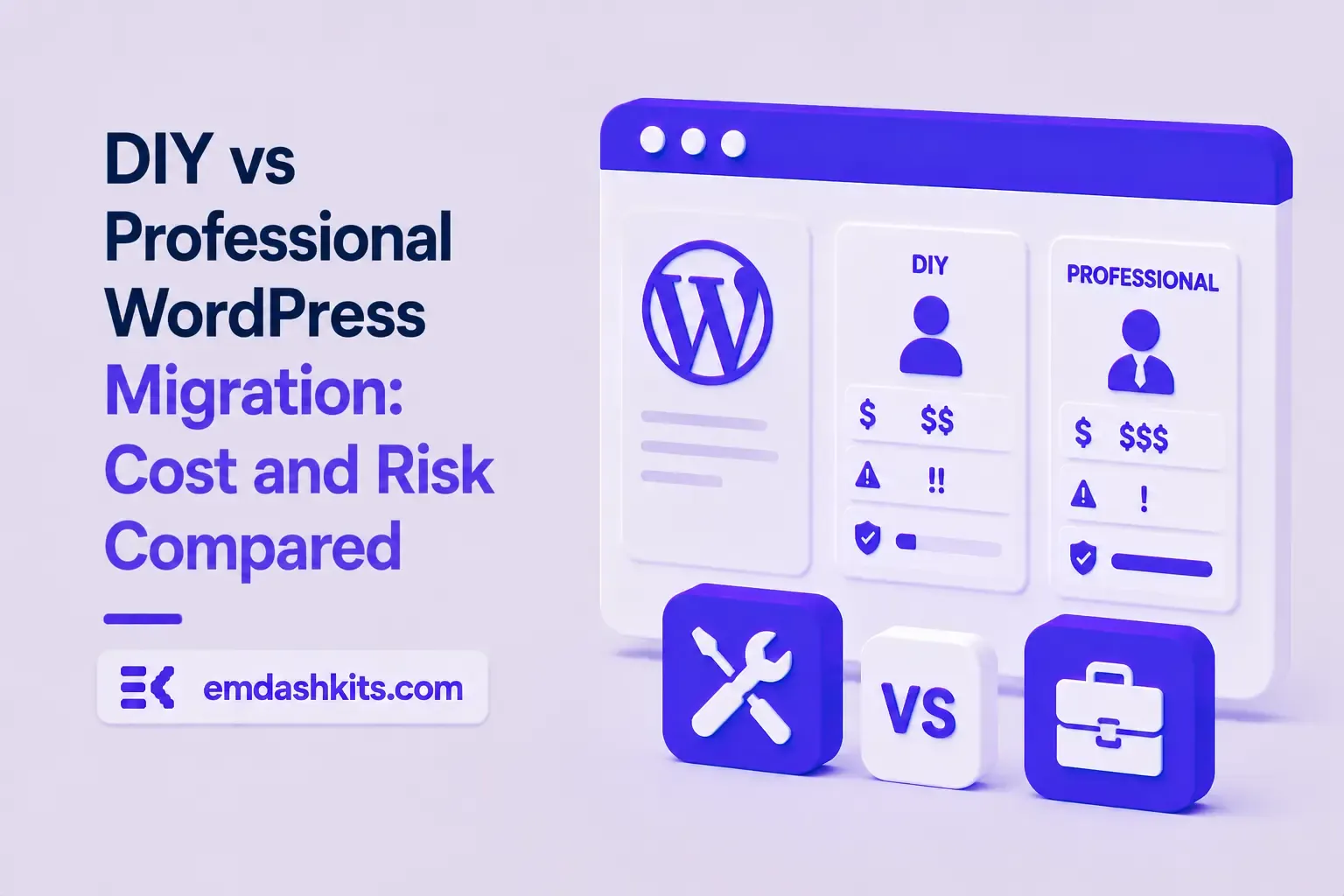
A simple migration costs a weekend; a botched one costs a year of rankings. An honest framework for deciding when to migrate WordPress yourself and when paying a professional is the cheaper option.
The surprise of leaving WordPress isn't finding replacements for 20 plugins — it's discovering most of them don't need one. A plugin-by-plugin map of what becomes a feature, a service, or nothing.
Page builders promise design freedom and quietly take content hostage: your pages live as builder-specific markup that no other tool can read. How the lock-in works and the realistic ways out.
The redirect map is where migrations are won or lost. How to inventory every WordPress URL — including the weird ones — map them one-to-one, and verify the 301s actually work.
Rankings don't belong to your CMS — they belong to your URLs, content, and signals. What actually transfers in a migration, what's genuinely at risk, and the realistic timeline for both.
Over 11,000 new vulnerabilities hit the WordPress ecosystem in a year — 91% of them from plugins. A clear-eyed look at why WordPress security is structurally hard, and what headless does differently.
The software is free; the total cost of ownership isn't. A line-item breakdown of what a WordPress business site actually costs per year — including the invoices nobody budgets for.